
What Your Baby’s Sleep Regression Means for Their Development and Sleep
Parents often express frustration and exhaustion when their baby suddenly stops sleeping well. Just when they thought they had a good routine, their little one starts waking more at night, fighting naps, or struggling to settle, which leaves the entire family not sleeping well!
While this can be challenging, I want to reassure you: sleep regressions are actually a good thing. They indicate your baby is growing, learning, and hitting important developmental milestones.
Let’s shift the perspective and explore why these sleep setbacks are actually signs of progress.
In this post, you'll learn:
What a sleep regression is
When regressions typically occur
The developmental milestones tied to each one
How to support your baby during these times
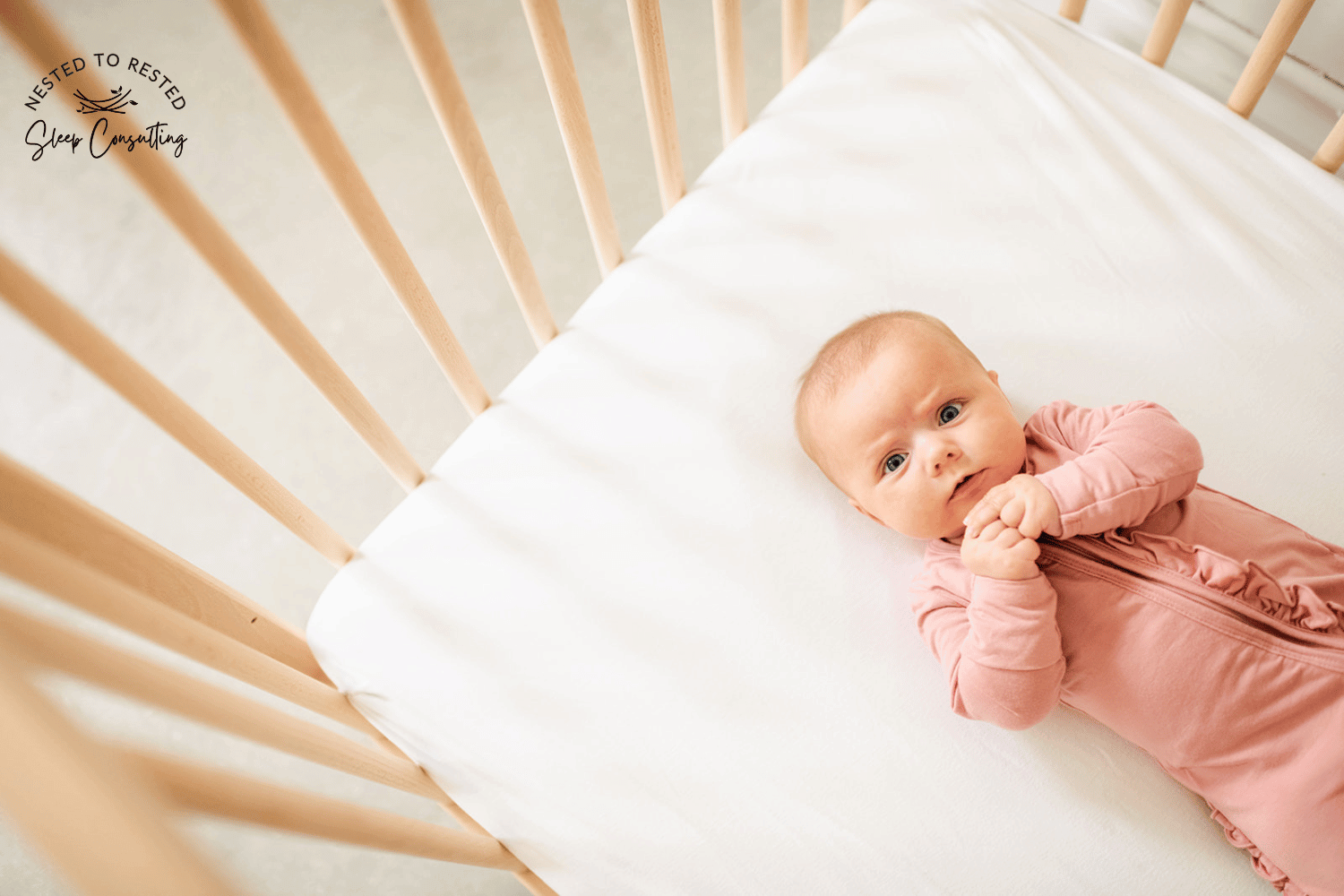
What Is a Sleep Regression?
A sleep regression temporarily disrupts a baby’s sleep patterns, typically around key developmental milestones. These phases usually happen around 4 months, 6 months, 8-10 months, 12 months, 18 months, and 2 years.
Sleep Regressions Mean Your Baby is Learning
When babies experience a sleep regression, it often coincides with a time of significant cognitive or motor development. You may notice these changes at different ages of your baby’s life.
3-5 Month Sleep Regression
This happens when your baby’s sleep cycles mature, becoming more like an adult’s. This is an important step in long-term sleep development. For more information on this, see our post: Your Ultimate Guide to Surviving the 4-Month Sleep Regression.
6-9 Month Sleep Regression
Around 6-8 months, babies may wake up more due to learning to roll, sit, or crawl. They’re practicing these exciting new skills—even in their sleep!
12 Month Sleep Regression
At 12 months, a baby might experience disrupted sleep due to learning to crawl, stand, cruise, or walk. Their brains are busy processing this new level of independence. Even starting solids can impact a baby's sleep due to digestive changes.
18-24 Month Sleep Regression
At 18-24 months, toddlers experience a sleep regression due to language development, fine motor development, and a growing sense of independence.
Each of these milestones is a reason to celebrate! Your baby isn’t regressing; they’re progressing in their development.
How to Support Your Baby During a Sleep Regression
While sleep regressions are a normal part of development, they can still be exhausting. Your perfect little sleeper may have even taken a wrong turn or already bad sleeping habits might have gotten worse. Whatever the case, know that it does pass in about 2-3 weeks and until then you can do a few things to help support them.
Here are a few ways to support your little one:
1. Stay Consistent
Maintain a predictable bedtime routine to provide comfort and security. All those habits you’ve been building are really important right now
2. Practice good Sleep Habits
Allow your baby some time to attempt to fall asleep on their own by laying them down awake, and don’t rush to soothe them if they wake up at night. Let them practice self-soothing before you help them back to sleep, no matter how tempting it might be! Encourage Practice During the Day
3. Encourage Practice During the Day
If your baby is working on rolling, crawling, or standing, give them plenty of opportunities to practice during awake times. This extra practice is also a great way for them to burn energy, which may help their bodies sleep better.
4. Be Patient
Remember, this is temporary. Sleep regressions usually last a few weeks before things settle again. You got this!
For more tips, see: Baby Sleep Regressions: What They Are and How to Survive Them
A New Perspective on Sleep Regressions
Instead of seeing sleep regressions as a negative, try viewing them as a sign of growth. Your baby is learning, adapting, and developing new skills that will benefit them for a lifetime. These temporary sleep disruptions mean their brain and body are working hard to reach new milestones.
So the next time your baby wakes more frequently or struggles with sleep, take a deep breath and remind yourself—it’s all part of the journey. Your little one is growing, thriving, and making incredible progress. And that’s something worth celebrating! Simple 3-part obstacle courses with objects in your house.
Need more ongoing support with sleep?
If you're navigating sleep regressions, transitions, or just want personalized guidance that grows with your baby or toddler, check out the Creating Well-Rested Families Membership. You'll get expert answers to your sleep questions, access to our full library of resources, and live support so you're never figuring it out alone.